A child who has just watched an orphan elephant drink from a giant bottle does not want a snow globe from the gift shop. They want to keep that elephant. You cannot buy an elephant, but you can sponsor an elephant in Kenya as a safari gift, and it has turned into a well-run system with real conservation work behind it.
This guide covers what a sponsorship actually is, what it costs in 2026, and how to combine it with a real visit if your family is planning a Kenya trip rather than just clicking a donation button from home.
What “sponsoring” an elephant actually means
No one ships you an elephant. Sponsorship, sometimes called “adoption,” is a recurring or one-time donation tied to one named orphan elephant. Your money funds milk formula, veterinary care, and the keepers who live with the herd around the clock.
In return you get updates on that specific elephant: photos, keeper diary notes, and sometimes video. You do not gain any legal or physical claim on the animal. It stays wild, and the goal of every reputable program is to release it back into a wild herd once it is old enough, usually between 8 and 10 years old.
For a family, this distinction matters. Set the expectation with your kids before you buy: this is a gift that supports a real elephant’s care, not a pet they will bring home.
Where to sponsor an elephant in Kenya as a safari gift
Two organizations dominate this space, and they work differently enough to be worth comparing directly rather than picking whichever one shows up first in a search.
Sheldrick Wildlife Trust runs the Nairobi Nursery inside Nairobi National Park. It has raised and released more than 300 orphaned elephants since 1977 and currently cares for dozens of calves at any given time. Because the nursery sits inside the city’s edge, it is the easiest orphan program to visit on almost any Kenya itinerary.
Reteti Elephant Sanctuary sits in the Namunyak Wildlife Conservancy in Samburu, roughly 345 km north of Nairobi. It is the first community-owned and community-run elephant sanctuary in Africa, staffed largely by Samburu keepers, including several of the region’s first female elephant keepers. Reteti releases hand-raised orphans back into wild herds that already roam the surrounding conservancy.
Smaller programs exist through Born Free and the David Sheldrick Wildlife Trust’s sister projects, but Sheldrick and Reteti are the two you will actually be able to visit on a Kenya trip.
Pricing and adoption tiers
| Program | Location | Distance from Nairobi | Adoption cost | Renewal |
|---|---|---|---|---|
| Sheldrick Wildlife Trust | Nairobi Nursery, Nairobi National Park | About 15 km, 30 to 45 minutes by road | USD 50 per elephant per year | Annual, can be renewed or let lapse |
| Reteti Elephant Sanctuary | Namunyak Conservancy, Samburu | About 345 km, 6 to 7 hours by road, or roughly 1 hour by charter flight to Loisaba or Kalama airstrip | Indicative USD 50 to 100 per year (check the current tier on Reteti’s site before buying) | Annual |
Sheldrick’s USD 50 figure has stayed stable for years and covers one calf for twelve months. Reteti’s program is smaller and newer, so treat the figure above as an indicative range rather than a fixed price, and confirm the exact amount at checkout.
Neither program is a subscription in the software sense. Nothing renews automatically. You choose to give again the following year, or not.
What’s included in the adoption package
A Sheldrick adoption gets you a digital certificate with your elephant’s name and photo, a fact sheet on its rescue story, monthly email updates, and access to the keepers’ daily diary online. Physical adoption packs, including a printed certificate and a plush toy, are available for a higher one-time add-on if you want something to hand a child on Christmas morning.
Reteti’s package is similar in spirit: a certificate, background on the calf’s rescue, and periodic updates, though the reporting is less frequent than Sheldrick’s because the team is smaller.
Neither includes shipping an actual elephant. Worth repeating, because kids ask.
Digital vs physical gift adoption
If you are buying this as a gift from outside Kenya, the digital version arrives in minutes: an email with a PDF certificate and login details for the update portal. It suits a last-minute birthday gift.
The physical version, ordered through Sheldrick’s online shop, takes one to three weeks to ship and includes a printed pack a child can open and hold. For a family already planning a Kenya trip, we would skip the mailed version entirely and buy the digital adoption before departure, then let the in-person visit be the real gift.
Visiting the elephants in person
This is where Sheldrick pulls ahead for most itineraries. The Nairobi Nursery holds a public visiting hour daily from 11am to noon, when keepers bring the orphans out for a mud bath and milk feed. No advance booking is required for this session, just a small entry donation at the gate, and it fits neatly into a half-day before an evening flight to the Mara or Amboseli.
Formal adopters can apply for the additional 5pm session, when the calves come in for the night. This one requires booking in advance directly with Sheldrick, space is limited, and it gives a much quieter, closer view than the busy 11am crowd.
We usually route this visit as part of a broader morning loop. See our Nairobi wildlife triangle half-day itinerary for how to pair the elephant nursery with the Giraffe Centre and a stop at the Karen Blixen Museum before lunch. If you have kids in tow and a few hours to fill before a flight, our guide to kid-friendly activities in Nairobi before your safari covers pacing for shorter attention spans.
Reteti visits work differently. Because it sits deep in Samburu, you need to already be staying at a conservancy lodge nearby, and visits go through the lodge or conservancy office rather than a public ticket window. It suits families whose itinerary already includes Samburu National Reserve or the Namunyak and Sera conservancies, not a quick add-on for a Nairobi-only stop.
Why it’s a good gift for kids
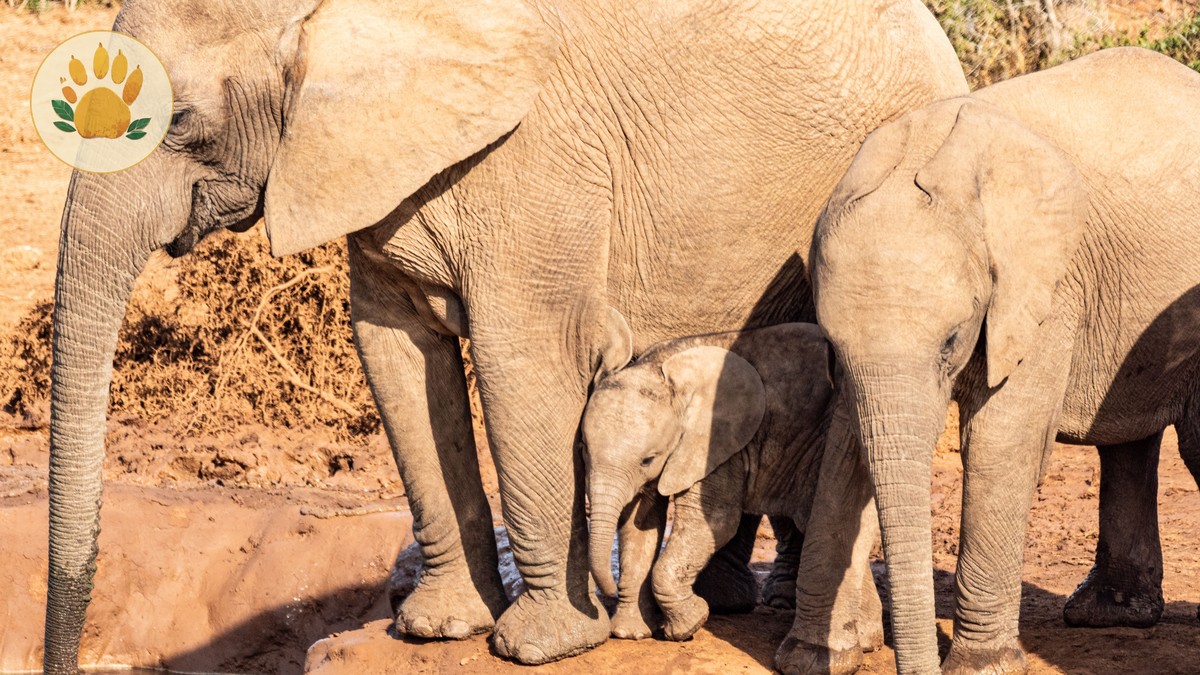
Children remember specific animals, not general facts about conservation. A sponsorship gives a five-year-old a name to hold onto: this elephant, not elephants in general. Combined with an actual visit, the abstraction becomes a memory they can describe for years.
It also teaches a useful lesson without a lecture. The money goes toward milk, medicine, and keepers, and the elephant eventually returns to the wild. That is a concrete, honest story, easier for a child to follow than most conservation messaging.
For families staying at family-friendly properties near Nairobi or the conservancies, a nursery visit pairs naturally with other animal encounters. If your trip includes a stop near Nanyuki, our Giraffe Manor breakfast experience guide covers a similarly close-up, kid-friendly wildlife moment.
How the funds are used, and where the elephants go
Money from both programs funds round-the-clock keeper care, since orphaned calves need feeding every three hours, plus veterinary treatment, milk formula, and the cost of eventually moving a calf to a reintegration stockade.
Sheldrick releases most of its elephants into Tsavo East National Park, where a network of stockades lets young elephants spend time with wild herds before full release, usually starting around age three and continuing gradually until around age eight to ten. Reteti releases into the conservancies that already surround the sanctuary in Samburu, so its orphans often rejoin wild groups closer to where they were rescued.
Neither organization keeps its adopted elephants in captivity long term. That is the entire point of the program: raise them, then let them go.
The SafariPure Difference
Every top search result for this topic is a donation page written by the organizations themselves. They are honest and well run, but they are built to process a gift, not to help you plan a trip around one.
We treat the elephant sponsorship as one stop in a larger itinerary, not the whole trip. That means we tell you honestly that a Reteti visit only makes sense if you are already Samburu-bound, that the 11am Sheldrick session gets crowded by 10:45, and that a digital adoption bought a week before departure works just as well as one bought months ahead. We would rather give you that one useful detail than pad the page with ten reasons elephants are wonderful.
Plan the visit with us
If you want the Nairobi Nursery, Reteti, or both built into a real family safari itinerary, with pacing that suits younger kids and lodges with family rooms, get in touch through our contact page and we will map it against the rest of your Kenya route.
More safari planning resources
- Samburu National Reserve guide from Trunktrails Safaris
- Kenya tour packages from Valley Safaris
- Samburu National Reserve guide on Touring Insights
- Big Five safari collection on FindMySafari
Related guides: Family Safari Lodge Connecting Rooms in Kenya, Kenya Family Safari Lodges With Pools Kids Will Use, Sheldrick Elephant Orphanage Nairobi: Visit Guide 2026.